Shot Types

Shot name
|
Use
|
Image
|
Close Up
|
Focuses in on what one person has to say or shows
reaction in facial expression
|
 |
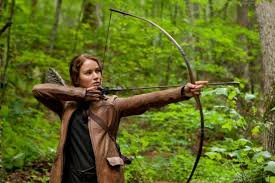
Medium Shot
|
Concentrates attention on single character, usually from the waist up
|
 |
Long Shot/Full Shot
|
Puts one character in context in his or her
surroundings, shows the whole person.
|
 |
Extreme Close Up
|
Unreal viewpoint, focusing on a single feature of a
person such as the nose, mouth, a hand etc, for effect
or to draw attention to it.
|
 |
Wide Shot
|
Puts characters in context to show their location and
how they relate to it.
|
 |
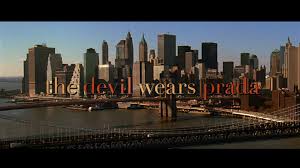
Establishing shot
|
Shows where action takes place
and sets the scene at the start of an episode or event.
Often pans or zooms in slowly as the scene is set.
|
 |
Two-shot
|
Shot showing 2 characters. Used for conversation between equals where
what
both characters say or do is equally important.
|
 |
POV shot
|
Point of View. Used so the audience watch the scene from a
character’s eyes.
|
 |
Over the Shoulder
Shot
|
Used for conversation where one person’s speech is
more important than the other.
|

Camera Angles
Angle name
|
Use
|
Image
|
Low Angle
|
Creates the feeling that the viewer is small and
vulnerable and the character here is powerful. Also used to make
small actors (e.g Tom Cruise, James McAvoy) seem taller.
|
 |
Eye Level
|
 |
|
A shot framed from mid thigh up. So called because of its use for gunfights in westerns.
|
 |
|
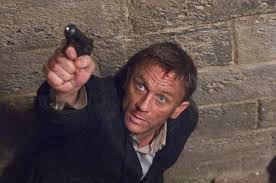
High Angle
|
Creates the feeling that the character here is being
viewed by a more powerful presence positioned near
the ceiling. Used in thriller films to show someone
being watched.
|
 |
Camera movements
Tracking shot/Crabbing/Dolly shot - The camera follows the action in a smooth movement usually keeping an equal distance from the subject.
Follow Shot/Steadicam shot
A smooth, fluid shoot that follows the action in one steady movement.
A shot that moves horizontally left or right even though the camera stays fixed.
Tilt shot
A shot that moves vertically up or down while the camera stays fixed.
For more information and for more shot types look at:
Empire's 30 shots you should know.

No comments:
Post a Comment